NVIDIA GTC 2026 Recap: The AI Factory Era and What It Means for Data Centres
Jensen Huang's keynote made one thing clear: AI is moving from the cloud into the physical world, and the infrastructure behind it is scaling at an unprecedented rate. Here are the key announcements and what they mean for our industry.
Vera Rubin: The Next Computing Platform
The centrepiece announcement was NVIDIA Vera Rubin — a full-stack computing platform comprising seven chips, five rack-scale systems and one supercomputer purpose-built for agentic AI. Paired with the new Vera CPU and BlueField-4 STX storage architecture, it represents NVIDIA's most vertically integrated platform to date.
Looking further ahead, Huang previewed Feynman, the next major architecture after Vera Rubin, anchored by the Rosa CPU — named after Rosalind Franklin — and featuring BlueField-5, co-packaged optics and NVIDIA Spectrum-class optical networking.
Data Centres as AI Factories
NVIDIA now frames data centres as "AI factories" — purpose-built facilities that produce, manage and deploy intelligence at scale. Huang cited computing demand increasing by a million times in recent years and projected at least $1 trillion in NVIDIA revenue from 2025 through 2027.
To accelerate the buildout, NVIDIA released the Vera Rubin DSX AI Factory reference design and the Omniverse DSX Blueprint, enabling companies to simulate entire AI facilities as digital twins before breaking ground. DSX Air lets operators model cooling, power distribution and rack placement in software — validating designs before committing to physical construction.
Why This Matters for Data Centre Operators
As GPU cluster densities push beyond 40–100kW per rack — five to ten times traditional compute — the gap between design intent and operational reality widens. Facilities need sophisticated DCIM, advanced cooling orchestration and multi-vendor integration from day one. The digital twin approach to commissioning directly addresses the mobilisation challenges that cause costly delays.
Physical AI and Robotics Go Production-Scale
The headline theme was physical AI — systems that perceive, reason and act in the real world. NVIDIA announced production-scale partnerships with ABB, FANUC, KUKA, Universal Robots, Figure, Agility, Boston Dynamics and others.
New simulation frameworks — Isaac Lab 3.0 and the Newton physics engine — alongside world models (Cosmos 3 and GR00T N2) enable robots to be trained entirely in simulation before real-world deployment. With a global install base exceeding two million robots, the industrial giants are integrating NVIDIA Omniverse and Jetson into their controllers for real-time AI inference at the edge.
Huang capped the keynote with a live demo of Disney's Olaf walking onto stage — driven entirely by NVIDIA's physical AI stack, the Newton physics engine and Omniverse simulation. Not pre-rendered, but simulated in real time.
PODTECH on the Ground at GTC 2026
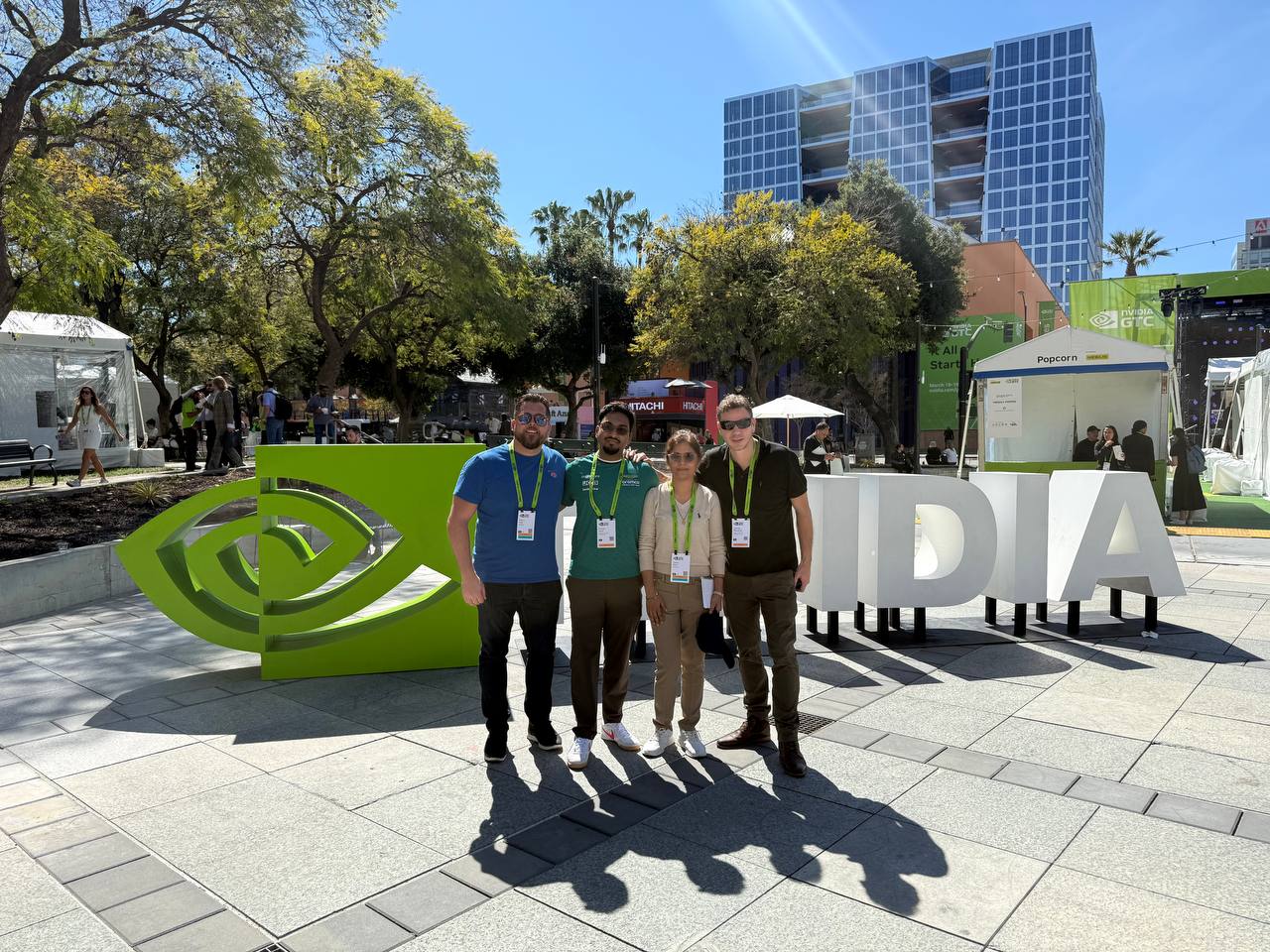
The PODTECH team at NVIDIA GTC 2026, San Jose
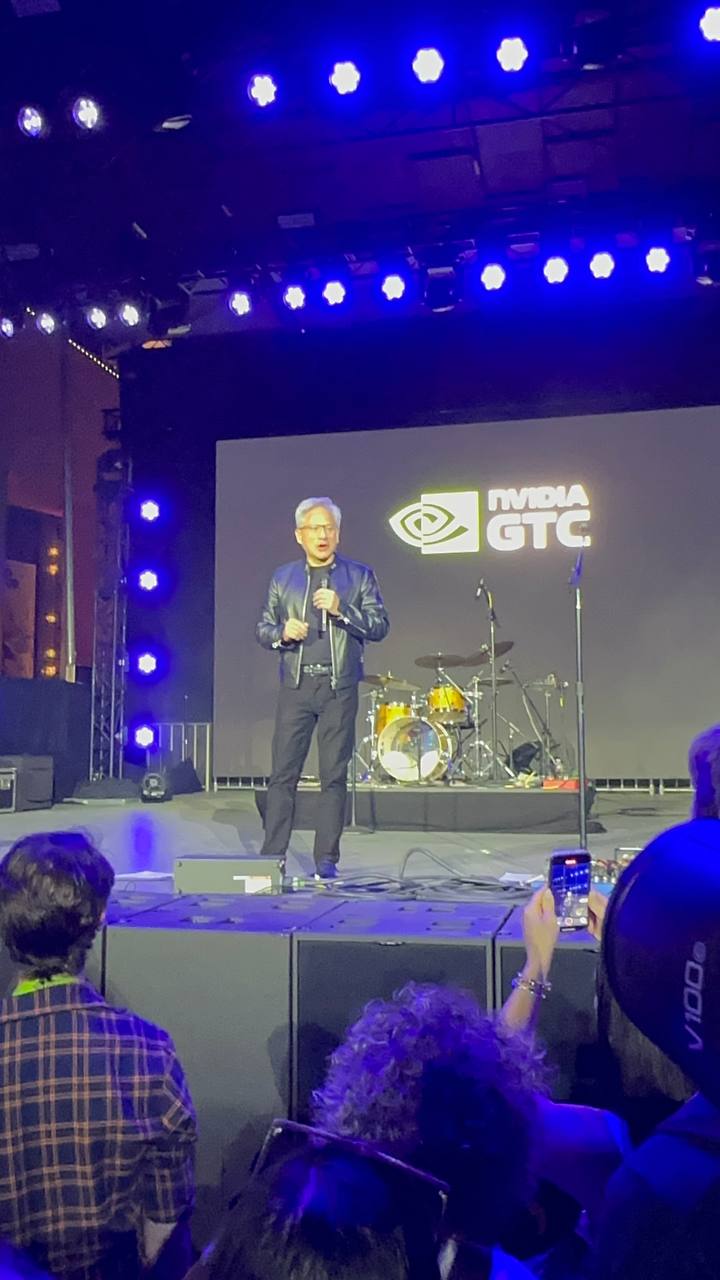
Jensen Huang on stage at GTC 2026
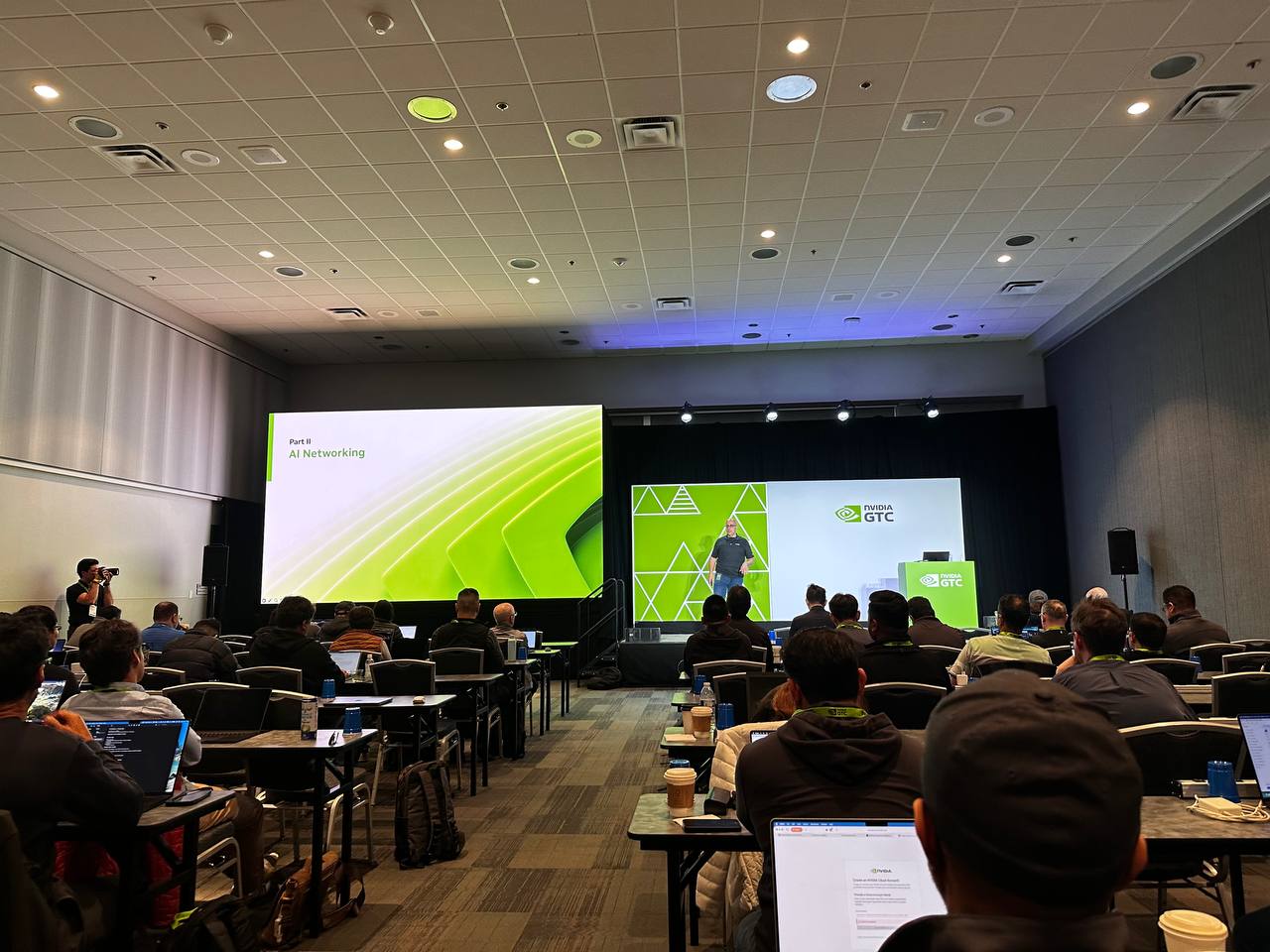
AI Networking session at GTC 2026
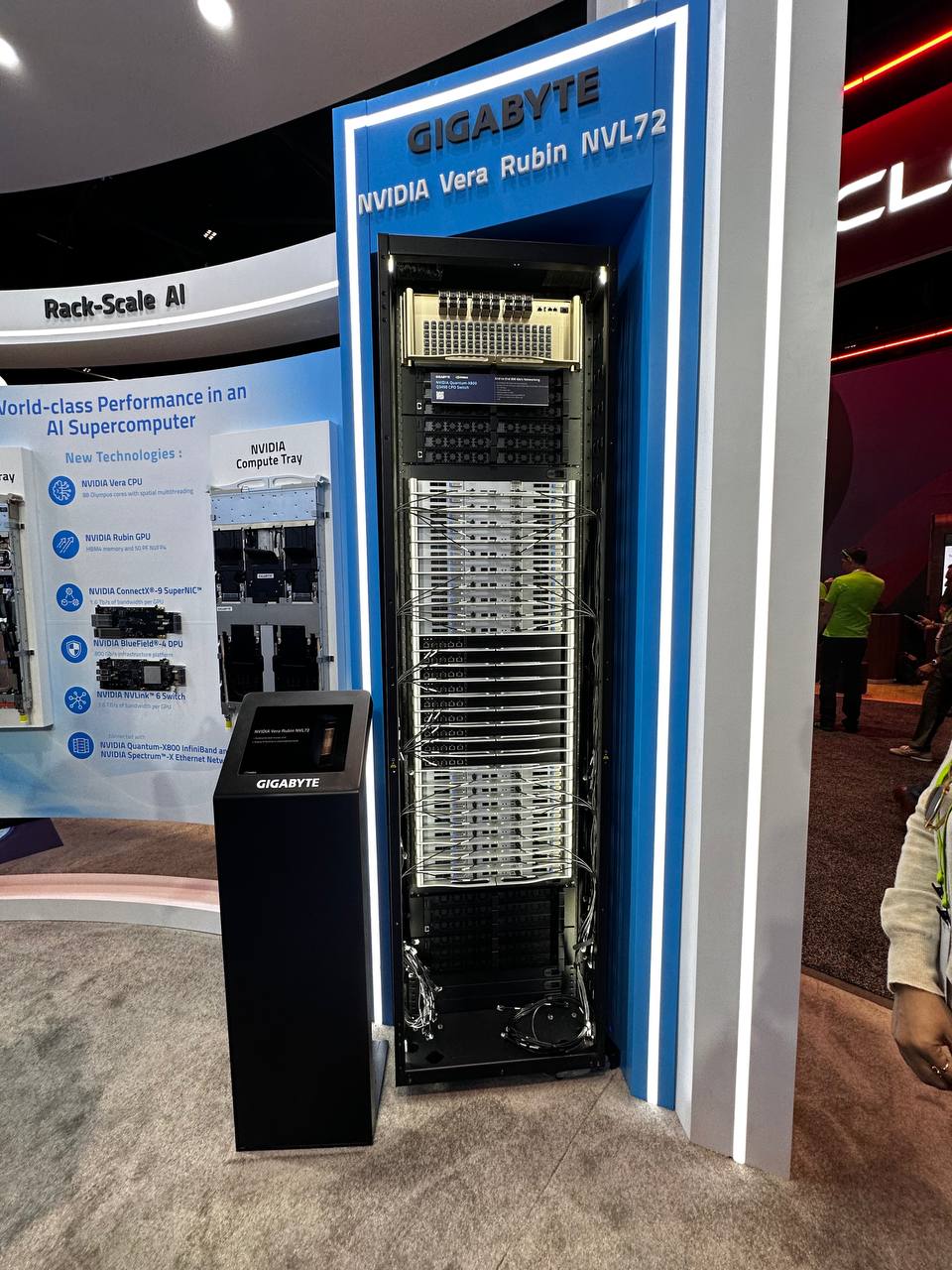
The NVIDIA Vera Rubin NVL72 — rack-scale AI computing
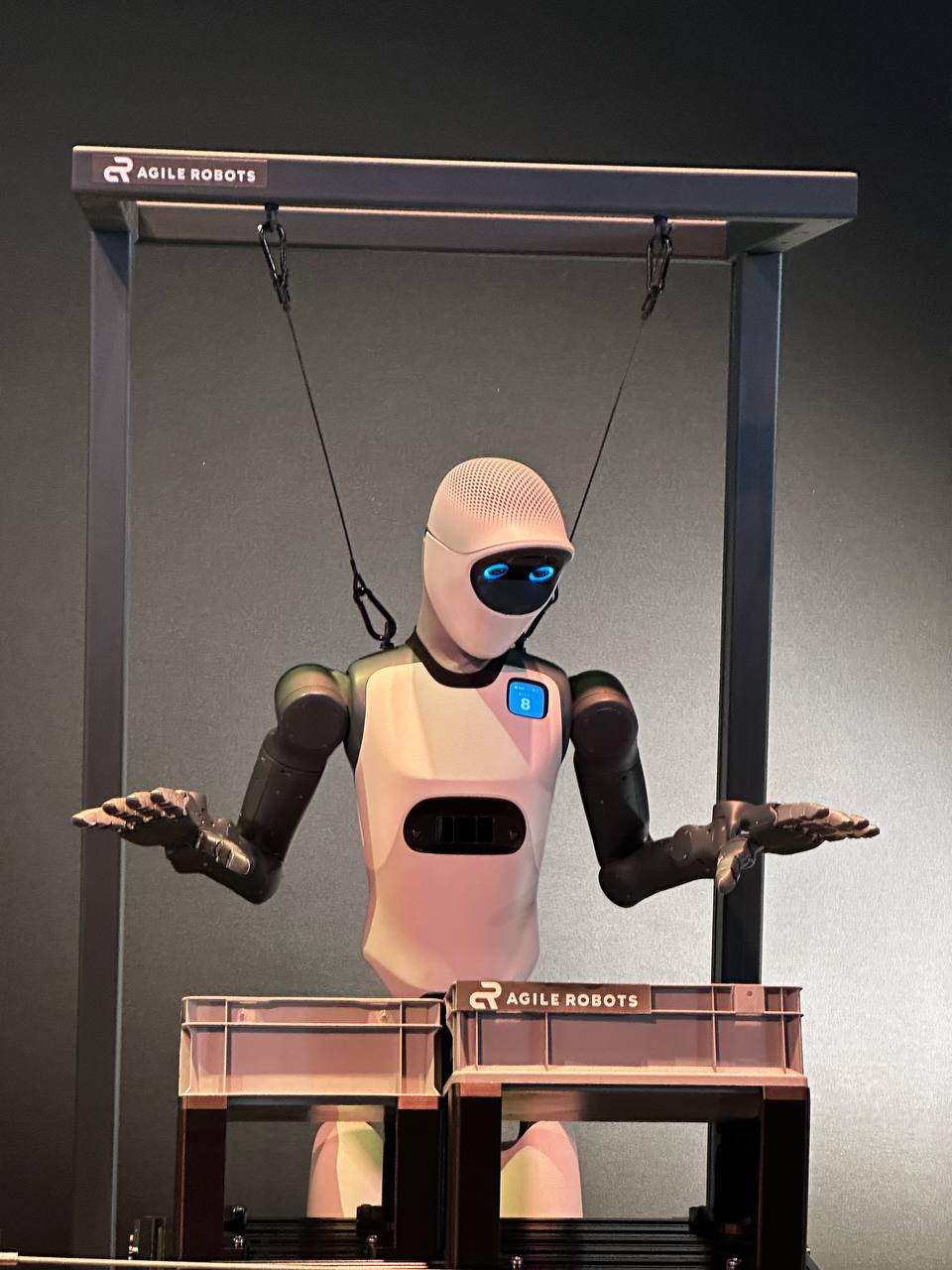
Agile Robots humanoid on the show floor
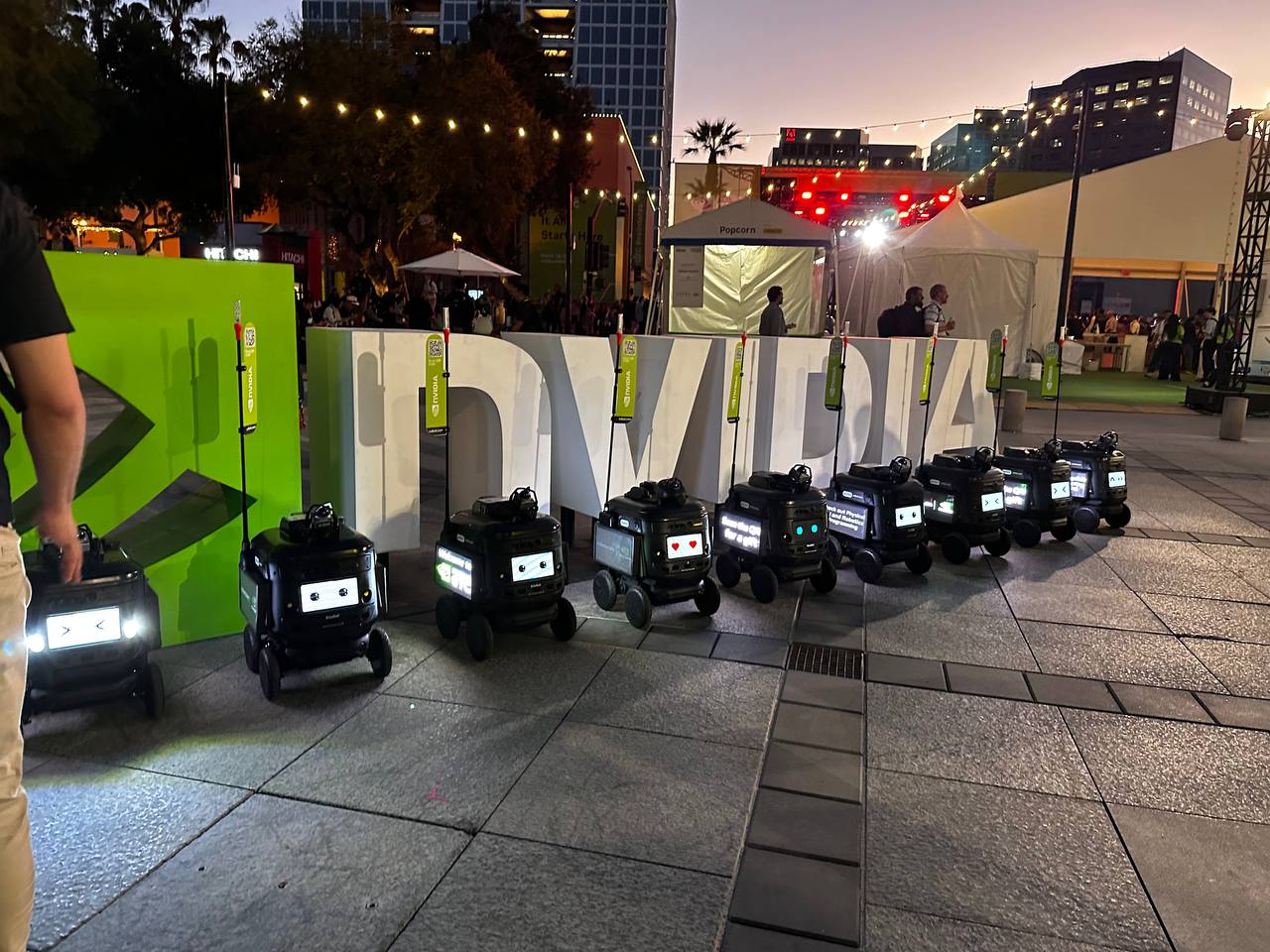
Autonomous robots outside the NVIDIA GTC venue
Agentic AI and Enterprise Deployment
NVIDIA introduced NemoClaw and OpenShell for secure enterprise agent deployment — combining policy enforcement, network guardrails and privacy routing. Huang stated that "every company needs an agent strategy" and called agentic AI the next major platform shift.
The Nemotron Coalition rallies partners around six frontier model families spanning language, vision, robotics, autonomous driving, biology and climate — signalling NVIDIA's ambition to be the foundational layer for AI across every industry.
What This Means for the Data Centre Industry
GTC 2026 confirmed what the industry has been sensing: the infrastructure layer is where the real complexity lies. Building AI models is one challenge; powering, cooling, connecting and managing the facilities that run them at scale is another entirely. That is where companies like PODTECH operate — bridging the gap between silicon innovation and operational reality.
And One More Thing: AI Goes to Space
In a surprise announcement, Huang revealed that NVIDIA is designing systems for orbital deployment. Space-1 Vera Rubin aims to bring AI data centres into orbit — extending accelerated computing from Earth to space. A fitting tribute to the astronomer whose work revealed dark matter.
PODTECH attended GTC 2026 alongside our partner Datalec. Read about our attendance and workshops.
Preparing Your Data Centre for AI Workloads?
From DCIM integration and power density planning to commissioning and mobilisation, our team helps organisations build and operate AI-ready infrastructure.
Talk to Our Team